Try Winter First
Winter usually lowers the sun angle, giving buildings more shape and improving the colour balance of PG areas.
 Air Rhodessa's
FSPGHangar.com
Air Rhodessa's
FSPGHangar.com
PG can look rich, deep and realistic in one direction — then washed out and flat in the opposite direction. PG Light Lab is where we test how MSFS 2024 photogrammetry behaves in different seasons, times of day and sun angles.
Everyone sees light slightly differently. Monitor settings, HDR, brightness, contrast, graphics settings and personal preference can all affect how PG looks. PG Light Lab is not strict science — it is a practical visual guide to help you find better-looking light for photogrammetry flying.
Simple starting points before you test any photogrammetry city.
Winter usually lowers the sun angle, giving buildings more shape and improving the colour balance of PG areas.
High sun can flatten buildings, reduce shadows and make PG textures look too bright or artificial.
Forward light or side-light often gives better contrast, richer colour and stronger depth between buildings.
If a city looks pale or over-bright, turn around, lower the sun, change season, or try a different flight direction.
The same city can look completely different depending on where the sun is in relation to your aircraft.
Often gives richer colour, stronger silhouettes and more atmosphere. Great for skyline approaches.
Usually the safest option. Side-light adds shadows and depth without making everything too dark.
Can make PG look brighter but also flatter, paler and less natural. This is where washed-out colours often appear.
Usually the least dramatic. Good for visibility, but not always best for realistic PG texture and depth.
Pick a test city and the planner will suggest a good season, time and route direction to start with.
Start with winter, late afternoon and a westbound Thames run. Keep the sun low ahead or slightly to the side for better building depth, river reflections and bridge shadows.
These first tests compare how photogrammetry changes between summer and winter, morning and midday, and flying toward the sun versus flying away from it.
Test setup: Same city, same route idea and clear skies — only season, time and sun direction changed. Chicago is perfect for testing skyline depth, building shadows and washed-out midday light.
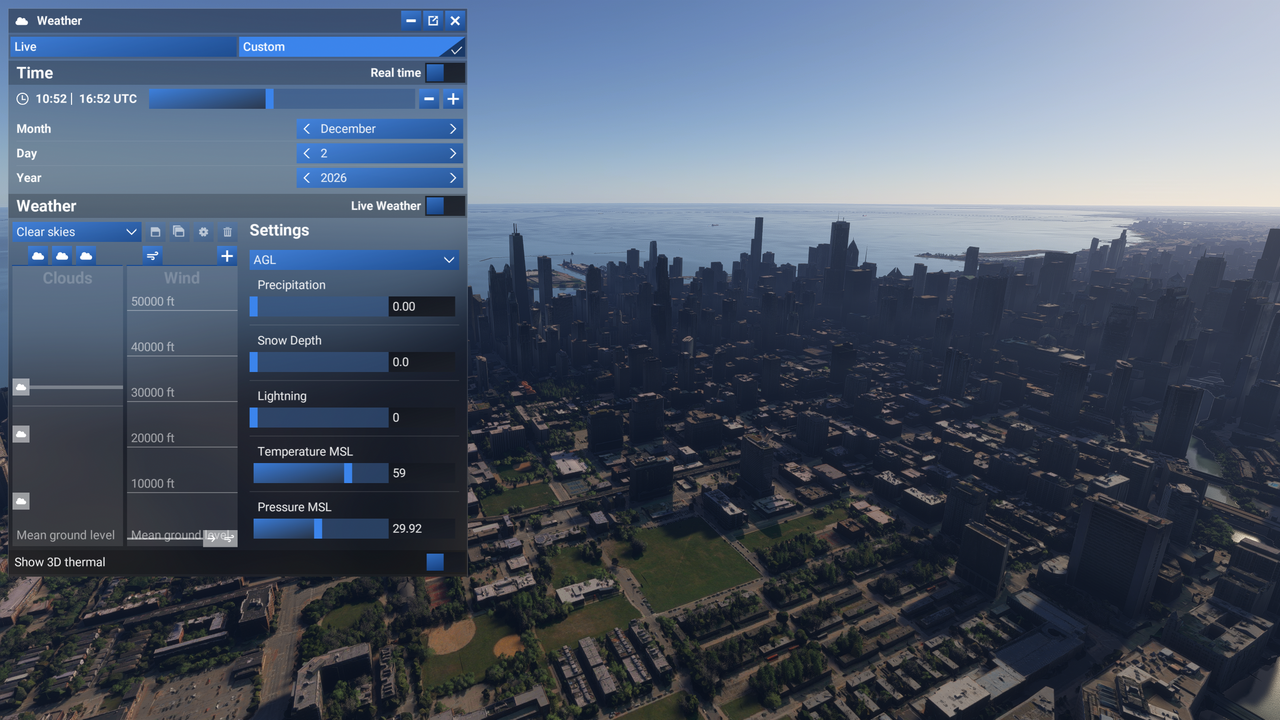
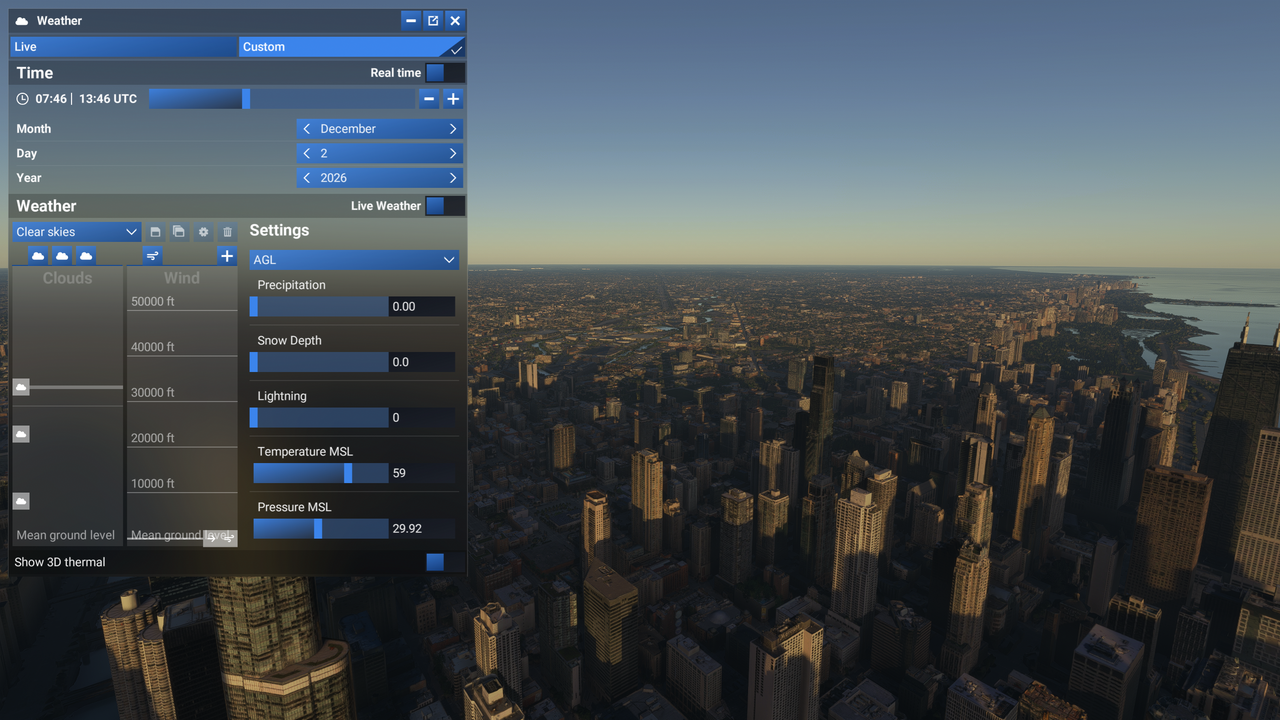
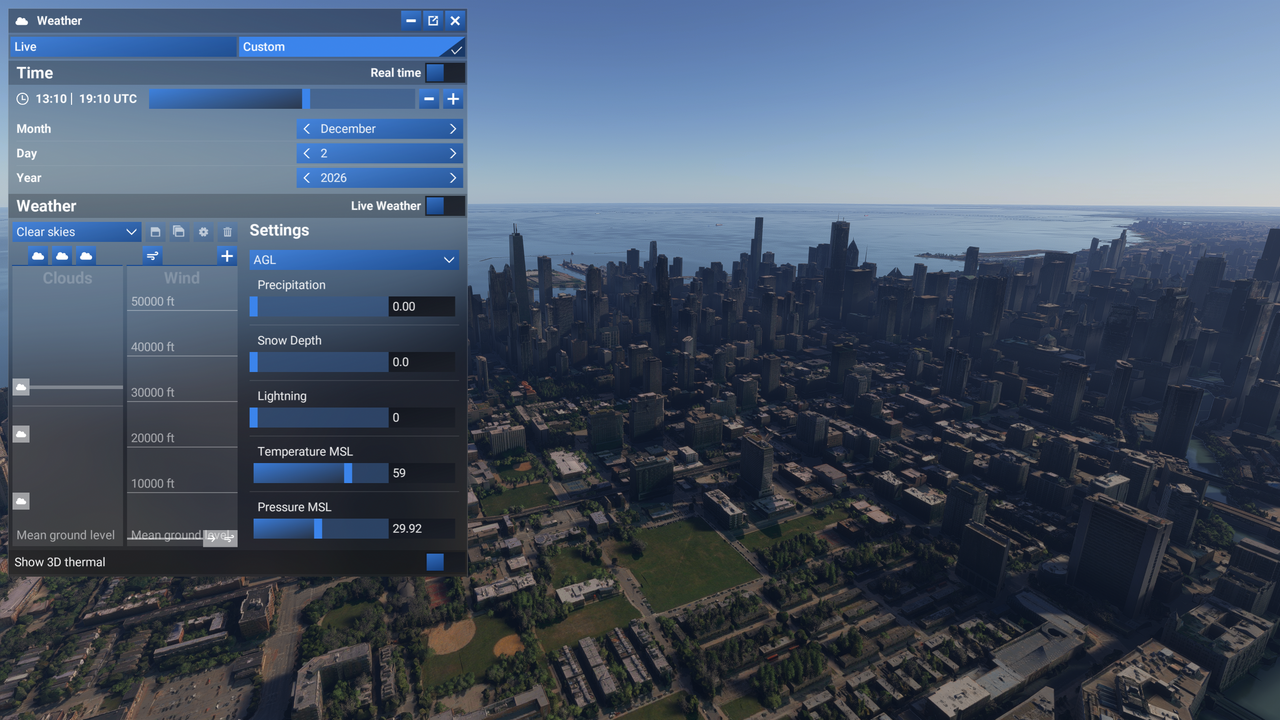
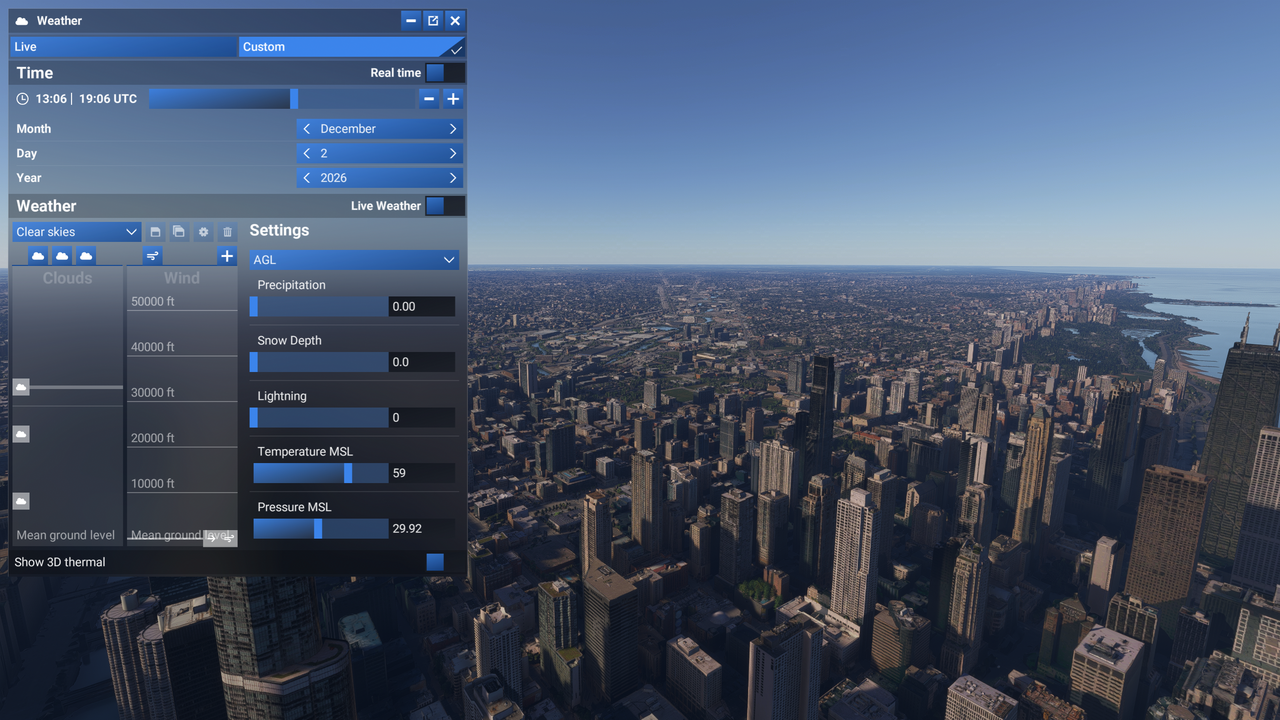
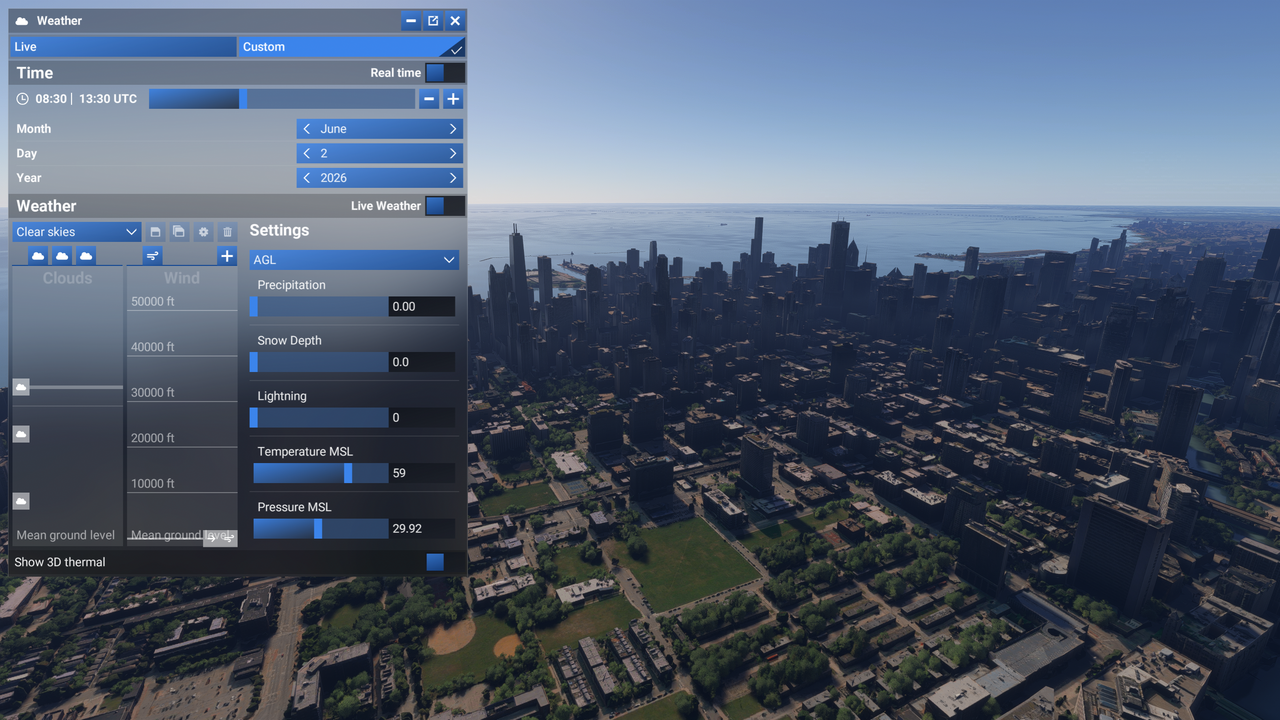
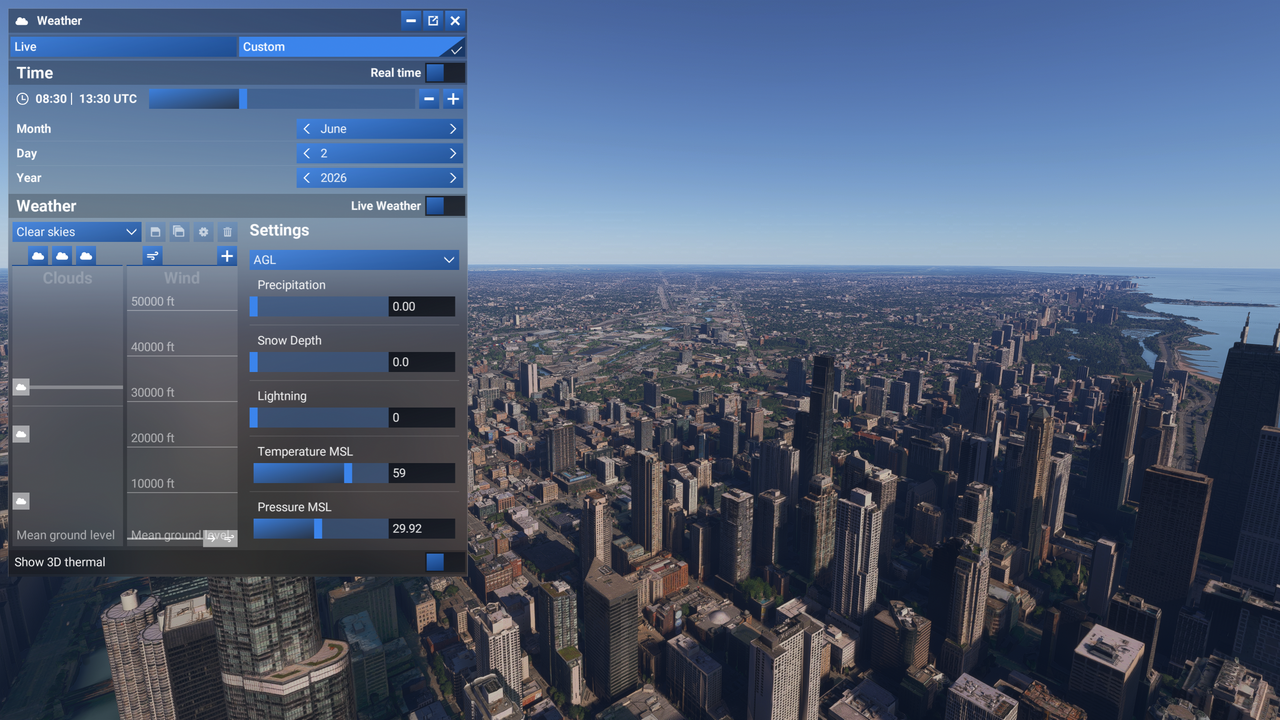
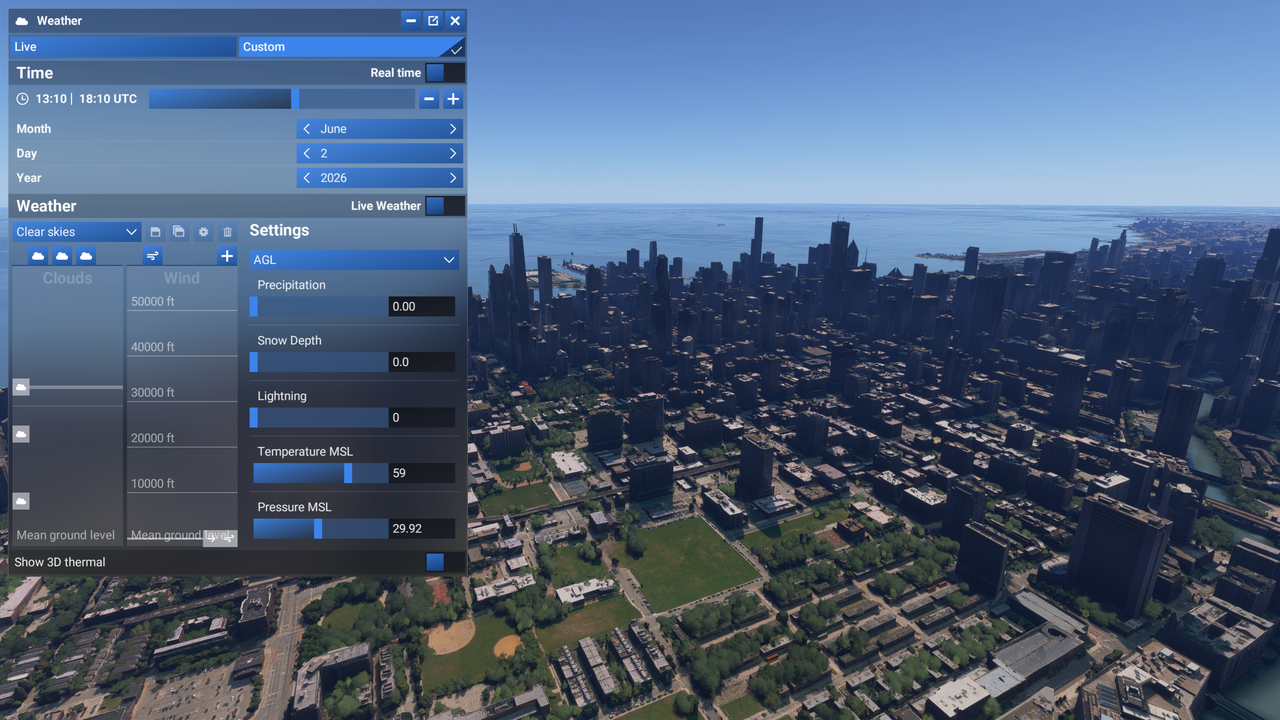
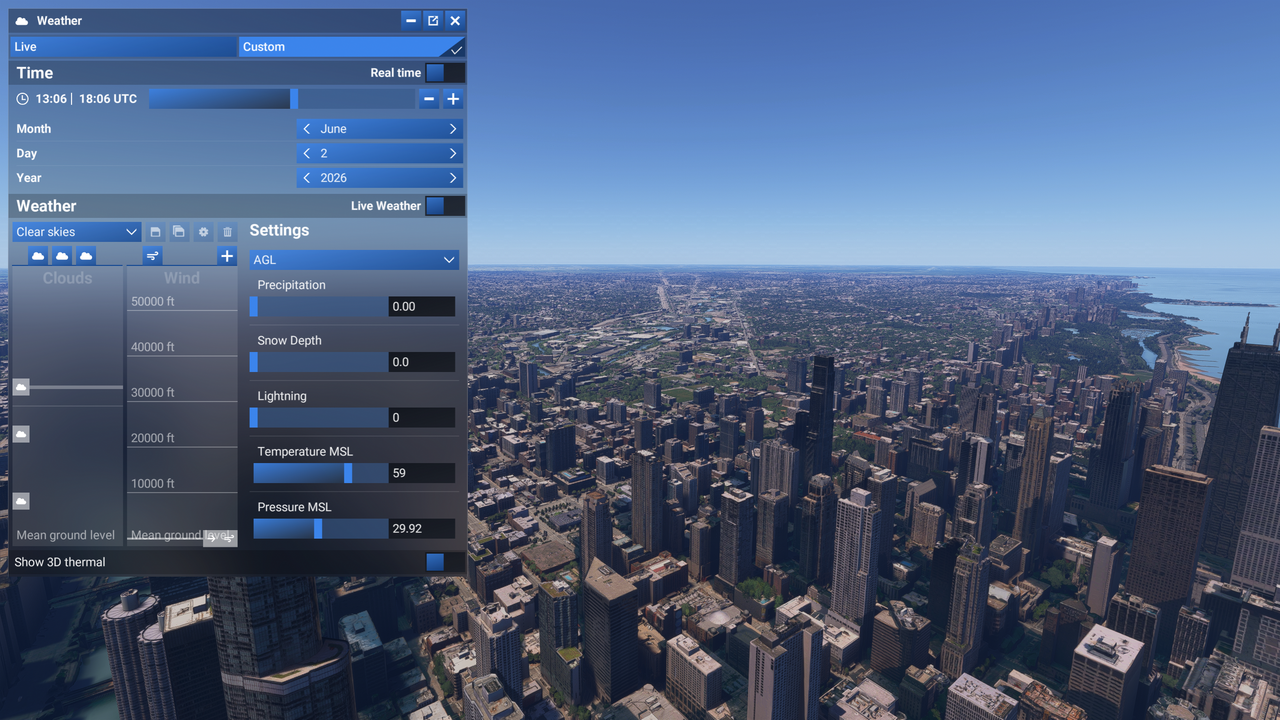
Chicago shows exactly why light matters. Winter and lower sun angles should give the skyline more shape, while summer midday is more likely to look brighter, flatter or washed out depending on direction.
Test setup: Sydney uses opposite seasons to the northern hemisphere, so December is summer and June is winter. This test is ideal for seeing how harbour water, skyline contrast and PG building depth change with sun direction.
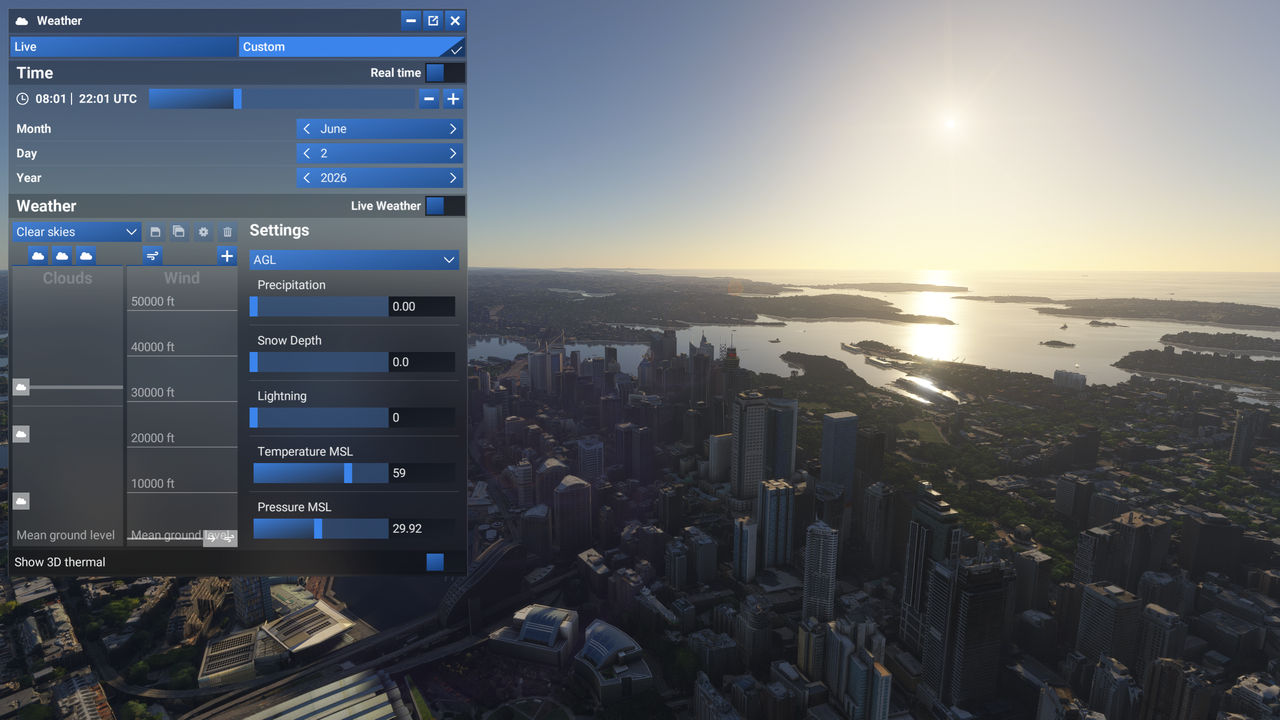
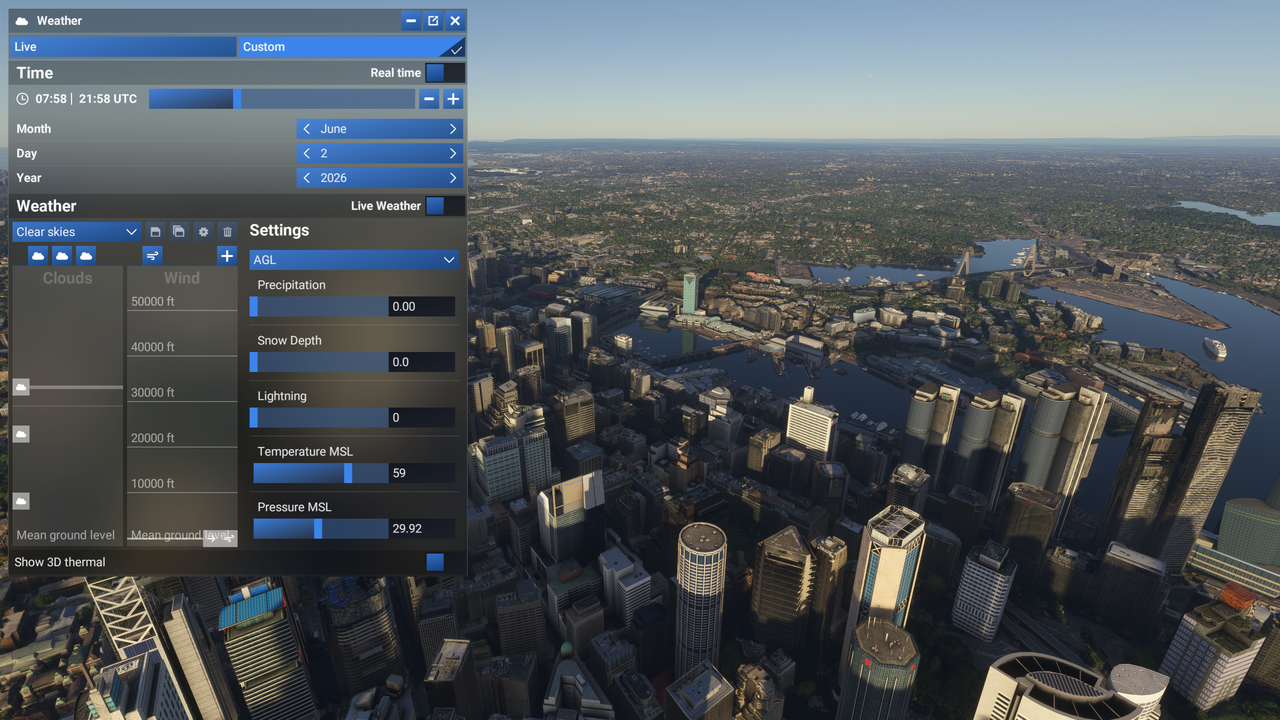
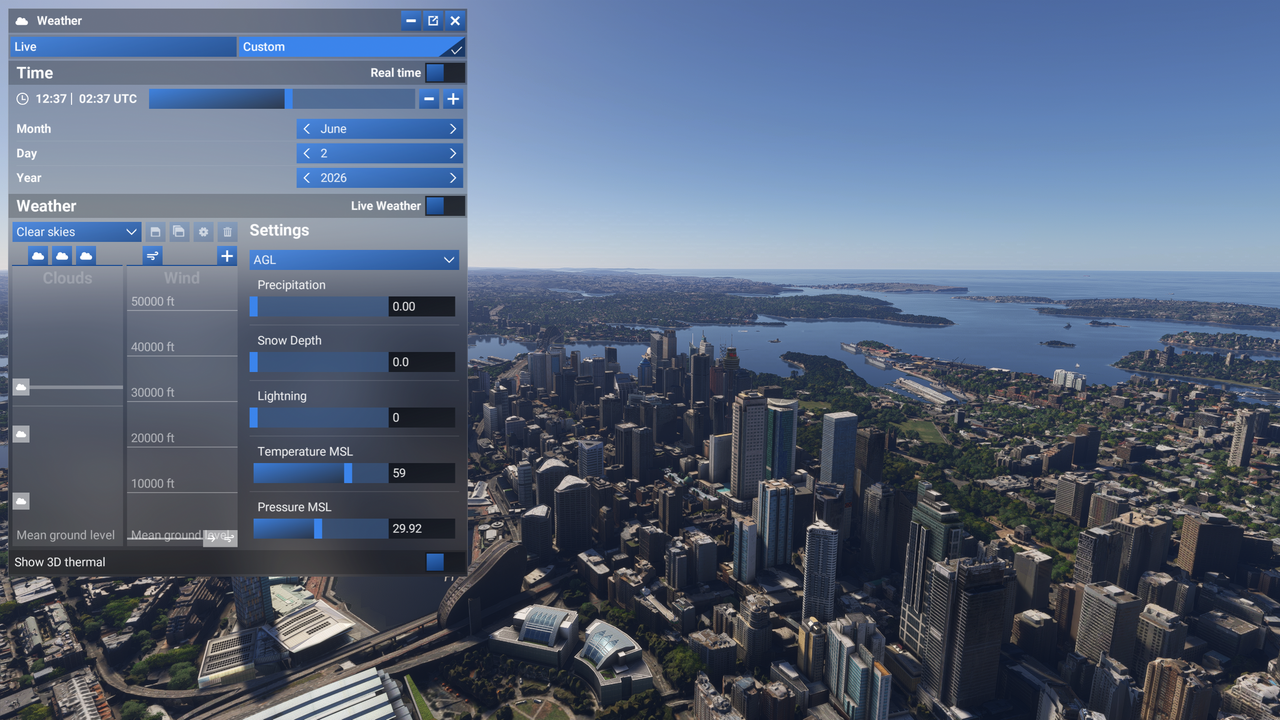
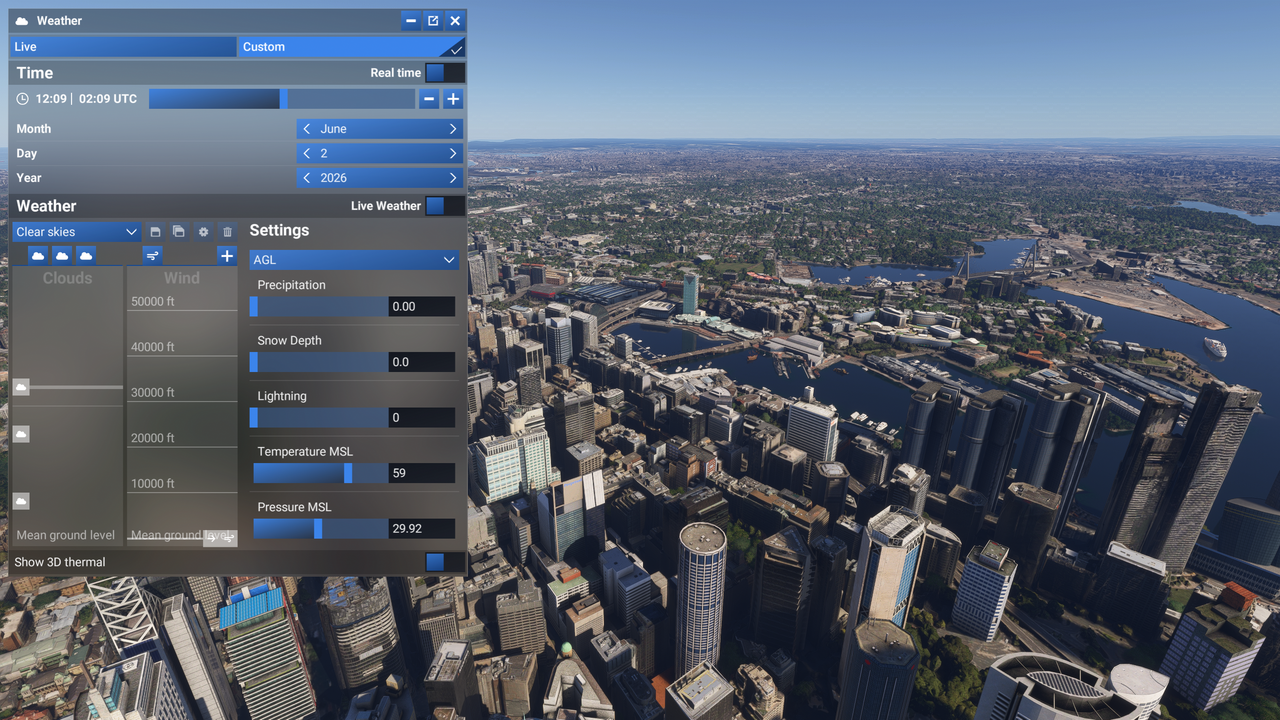
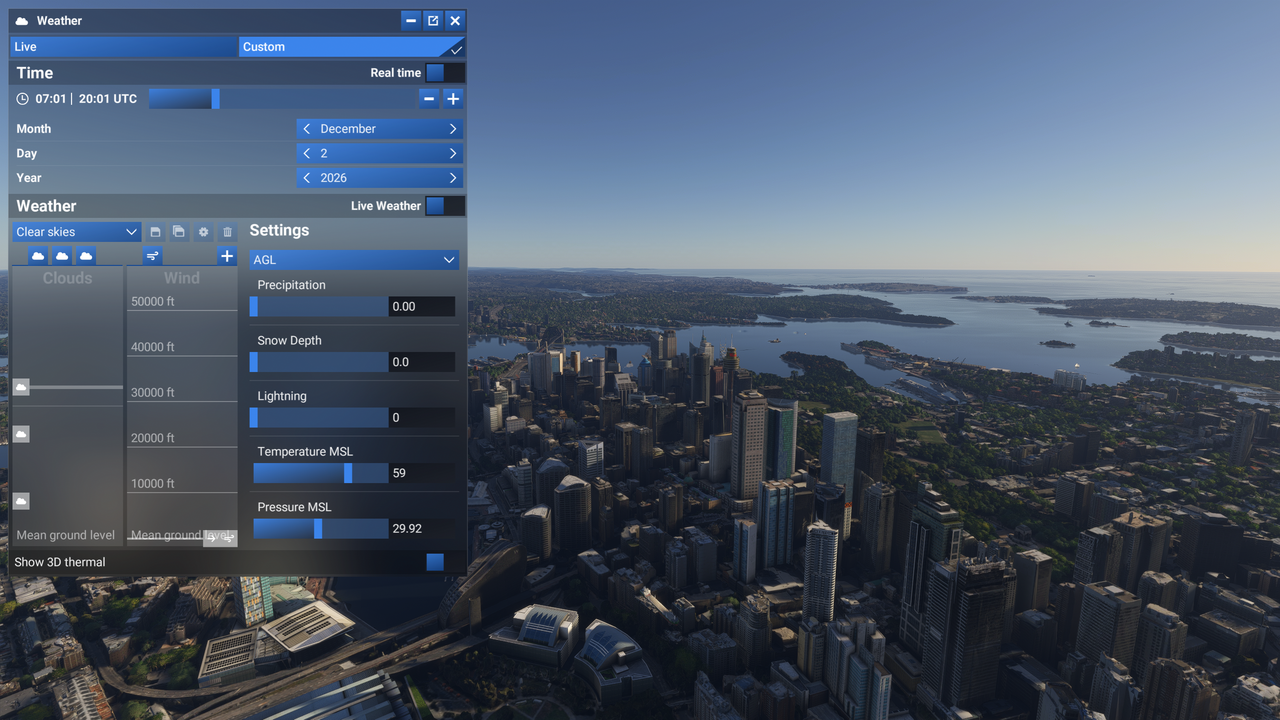
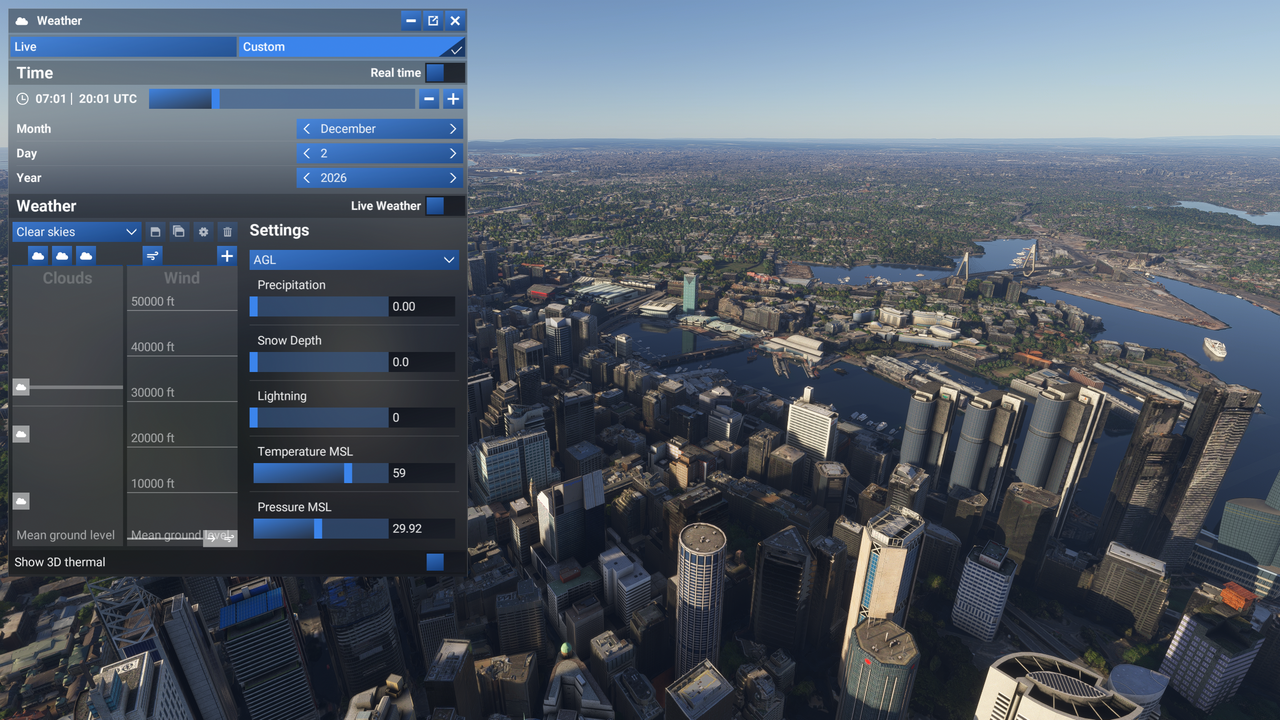
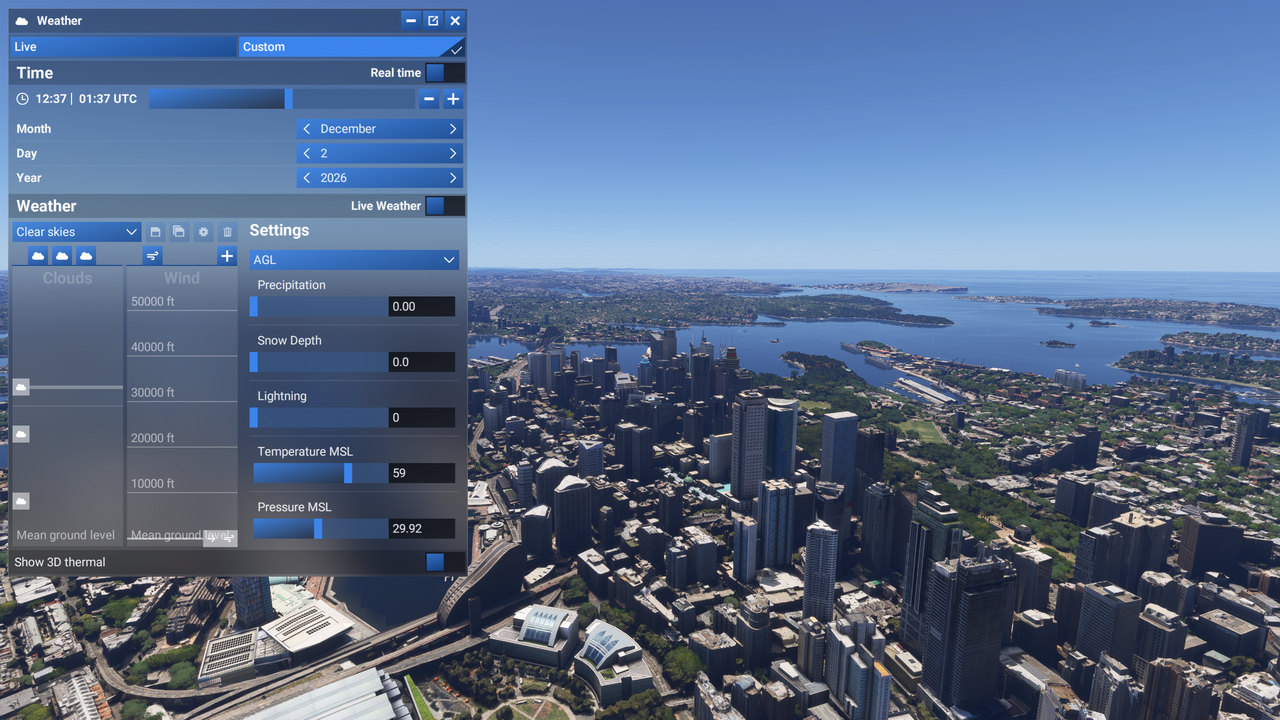
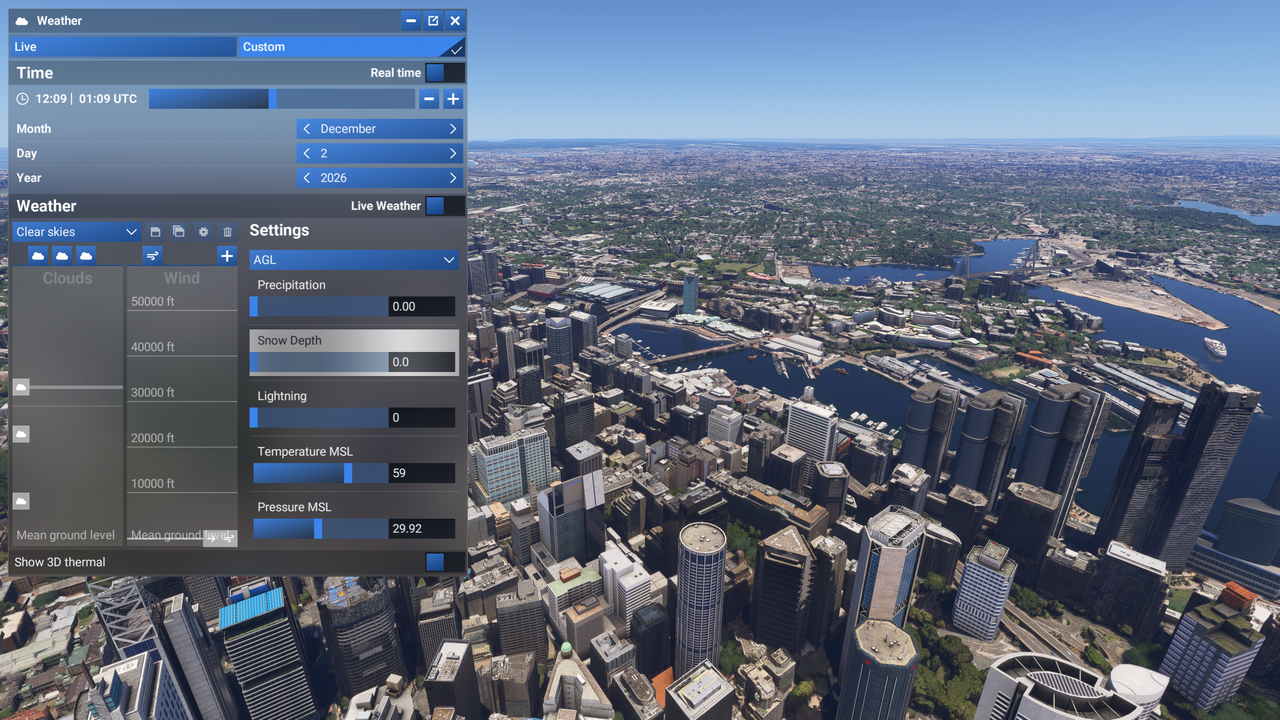
Sydney is a strong harbour test because the water, bridges and skyline react heavily to sun angle. Winter morning light should show the biggest depth difference, while summer midday can become brighter and flatter.
Test setup: New York is one of the best PG Light Lab cities because tall buildings make shadows and sun direction very obvious. This test compares summer and winter light across Manhattan-style skyline views.
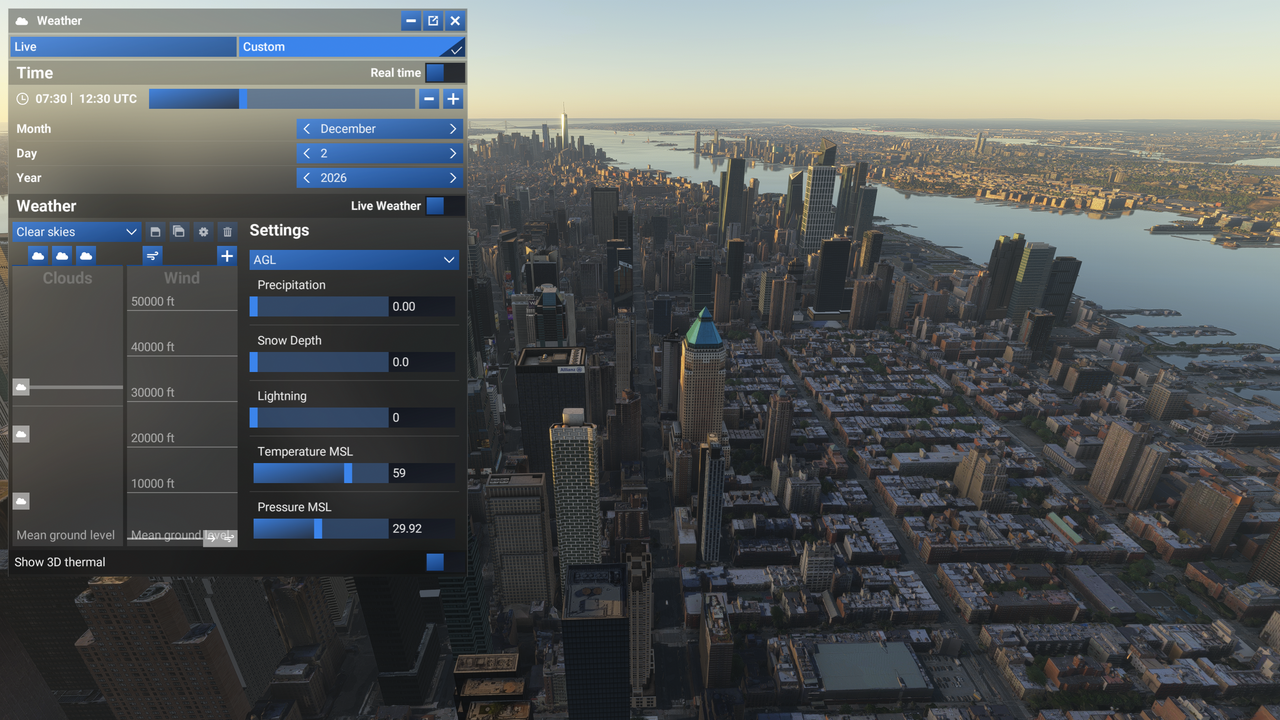
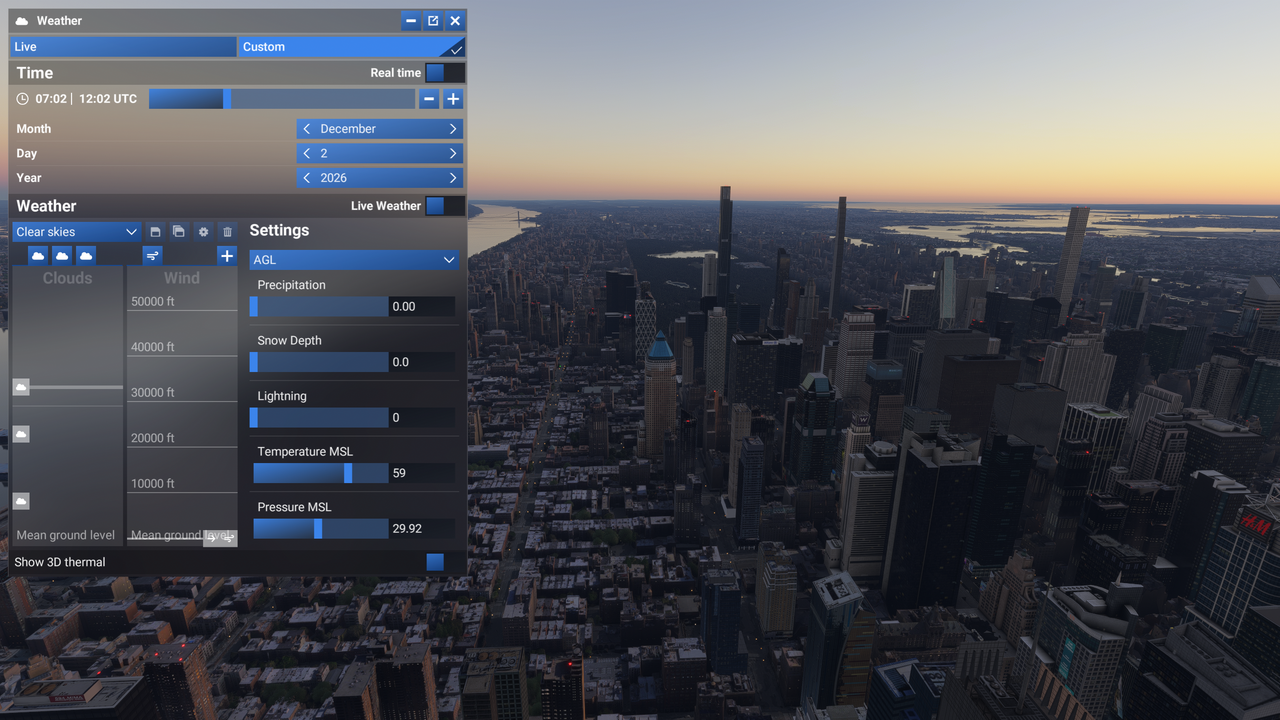
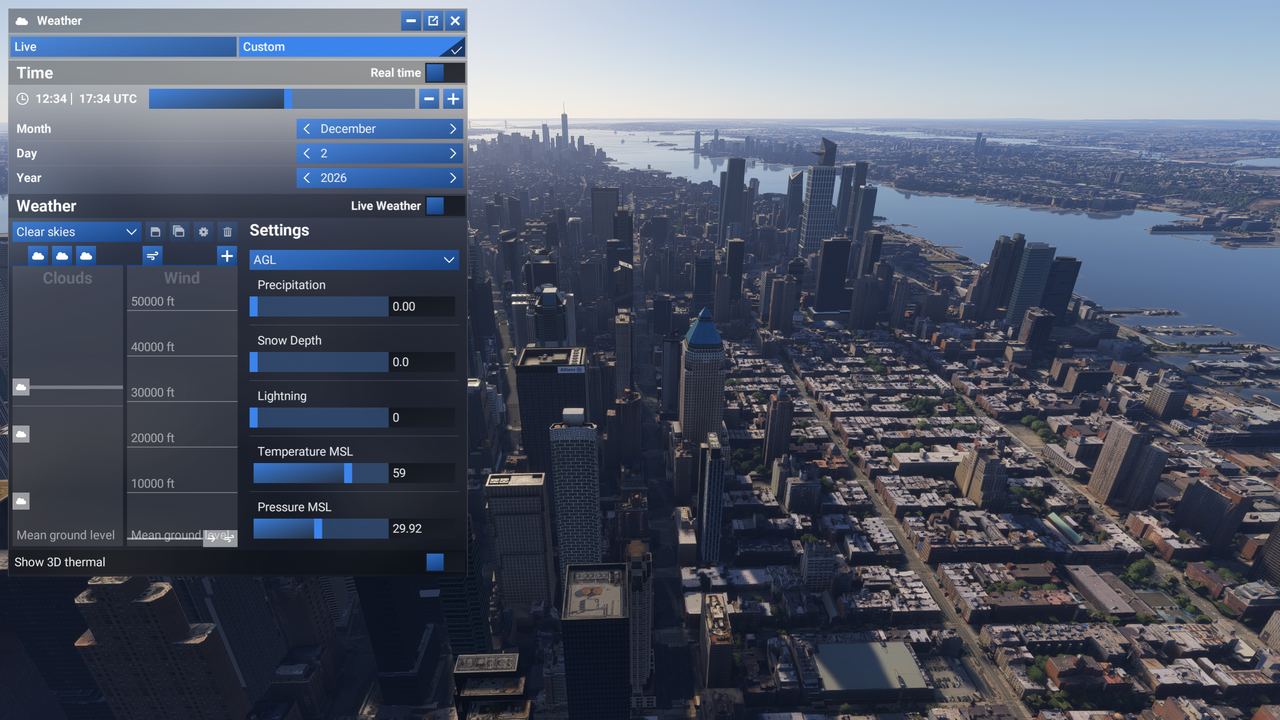
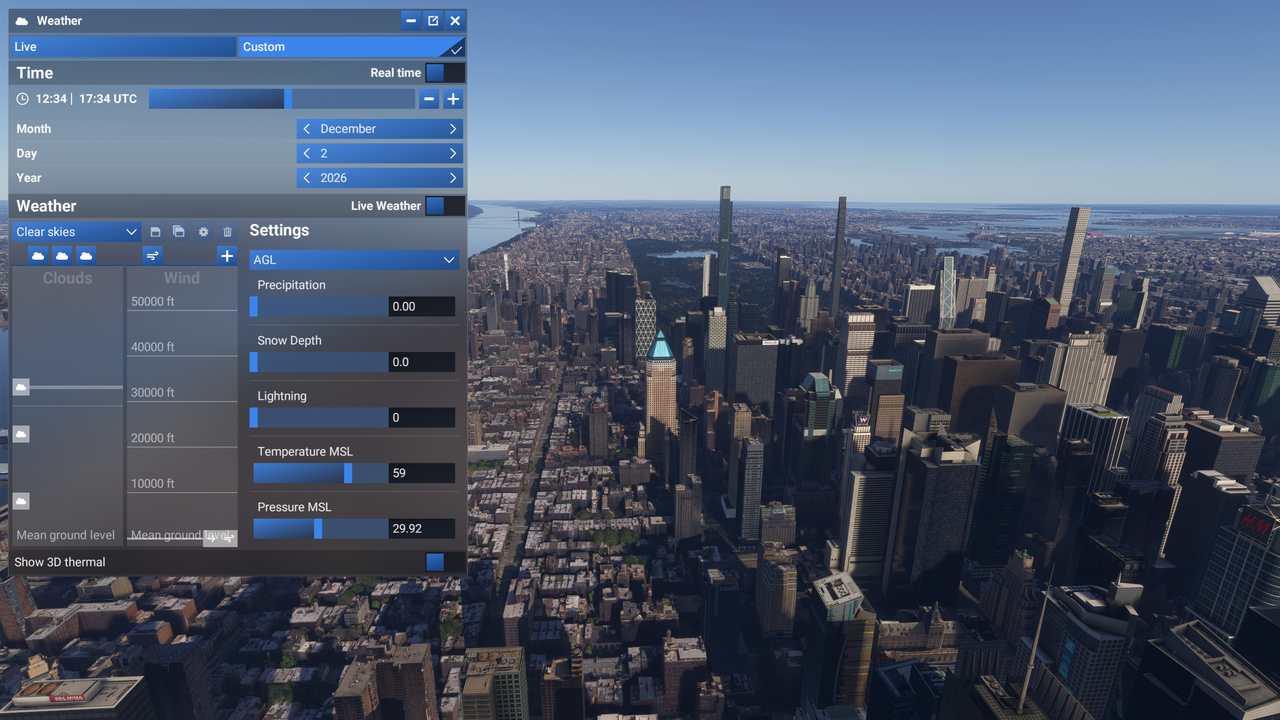
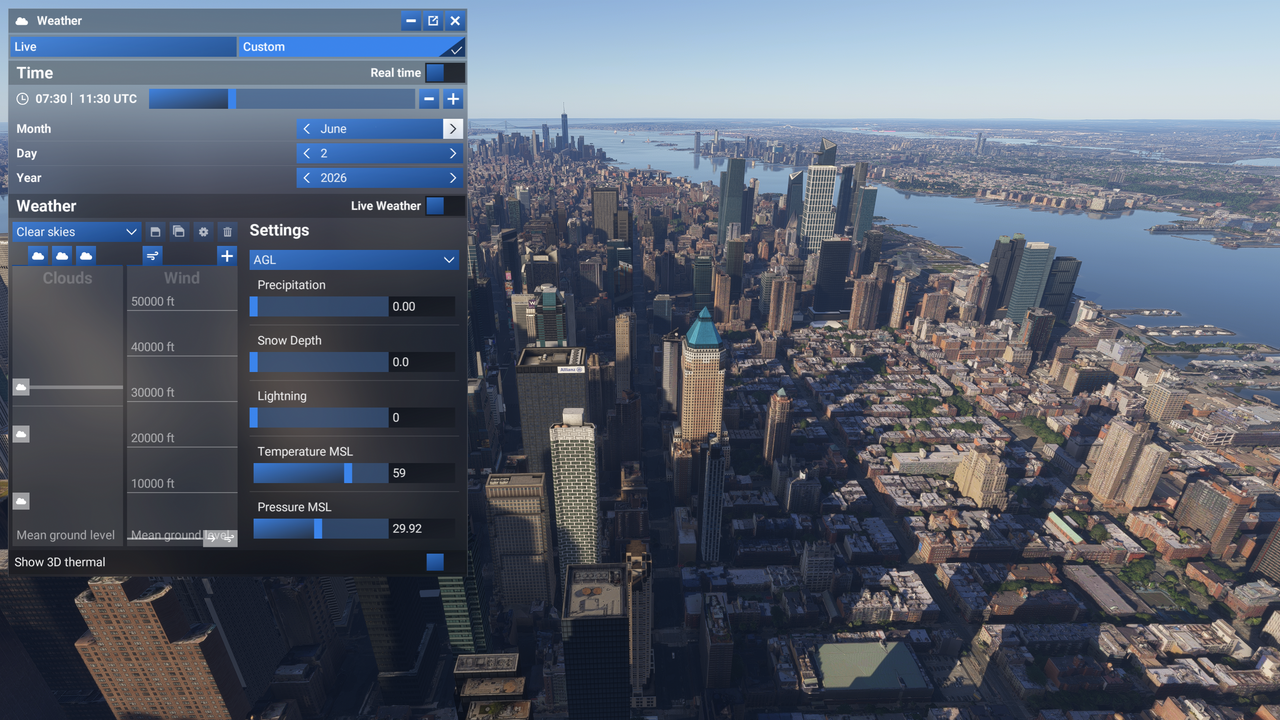
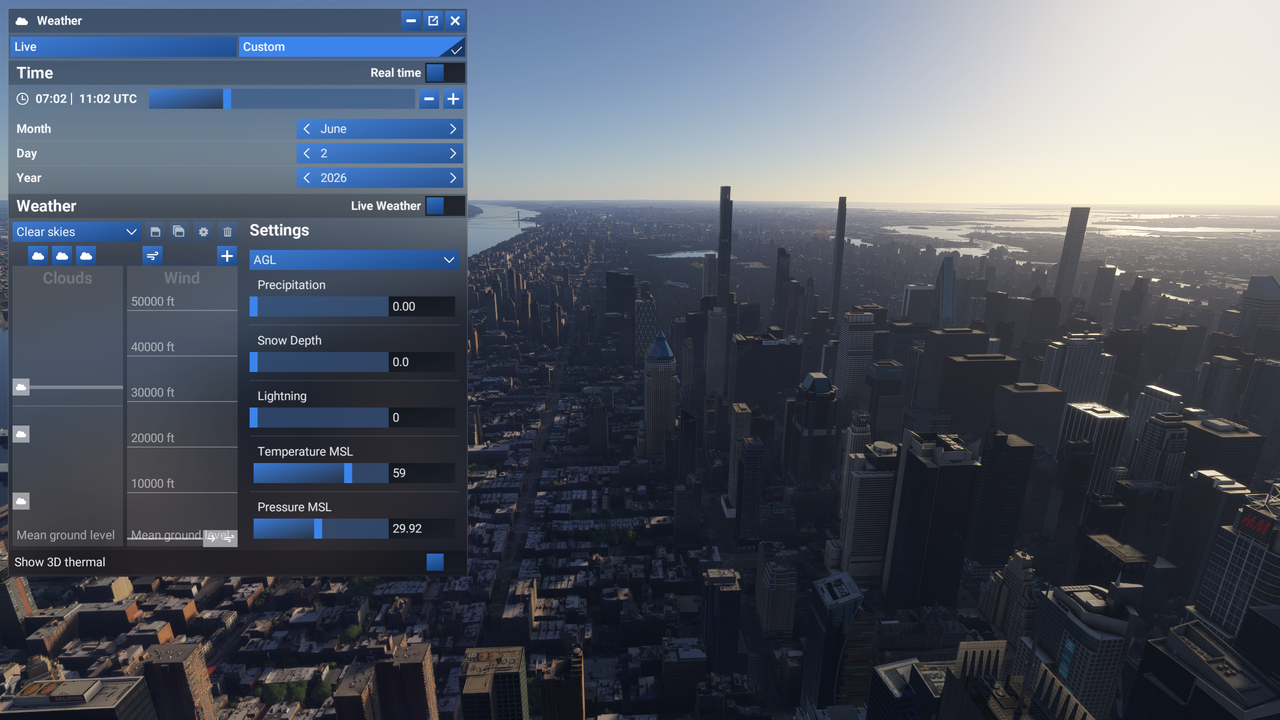
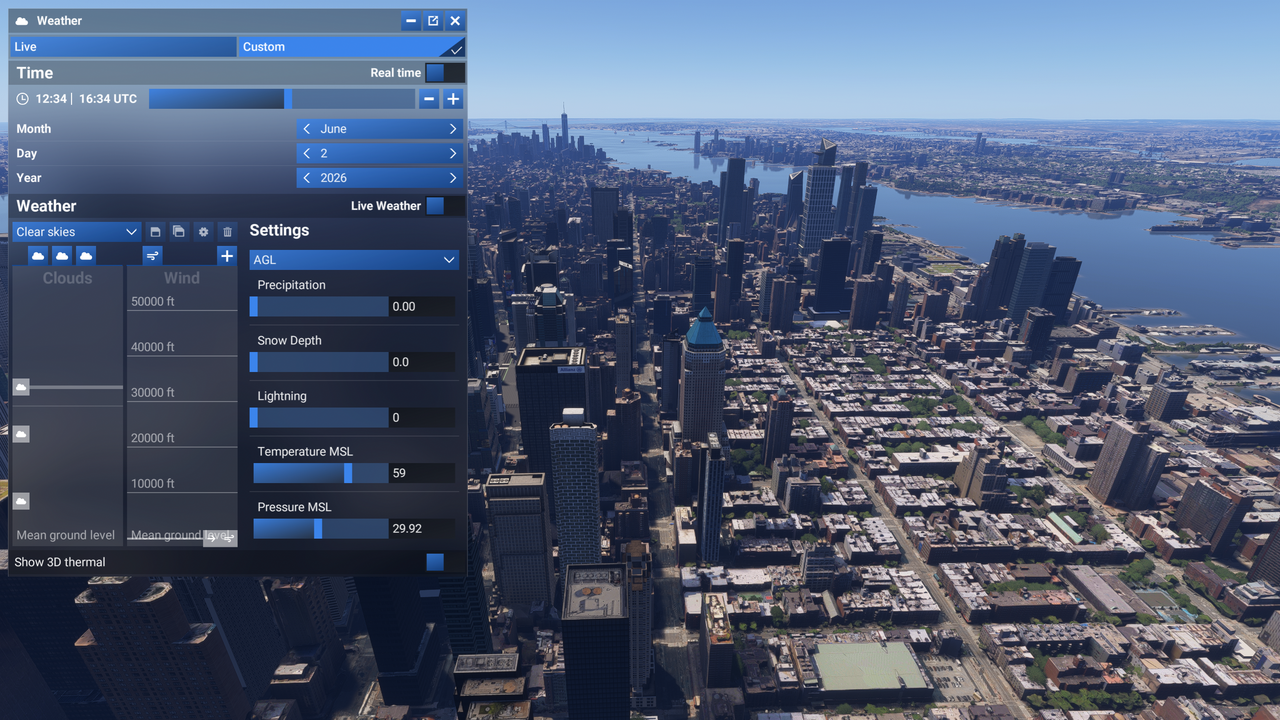
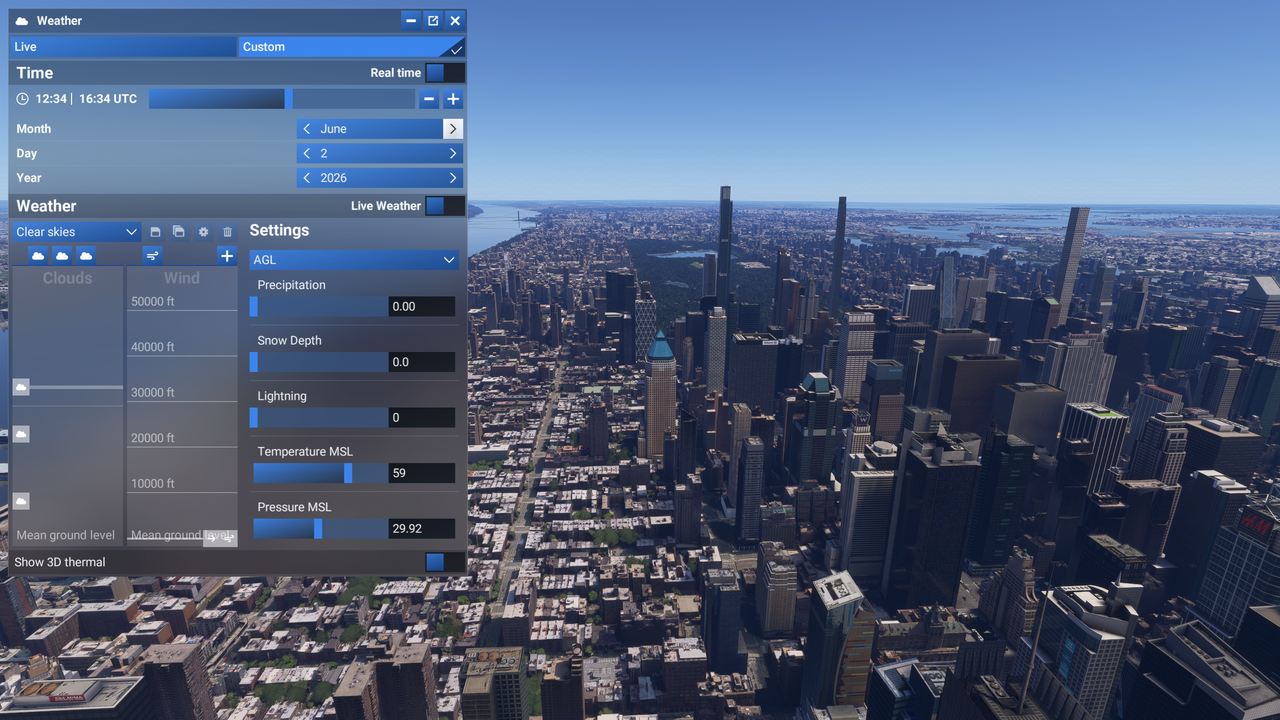
New York shows the biggest difference in building depth. Lower sun angles help skyscrapers stand out, while brighter summer light can make some PG texture look flatter unless the sun angle is working in your favour.
Chicago, Sydney and New York City are now live in the PG Light Lab. More test cities will be added over time, including London, Tokyo and Frankfurt, as new screenshots are captured and compared.